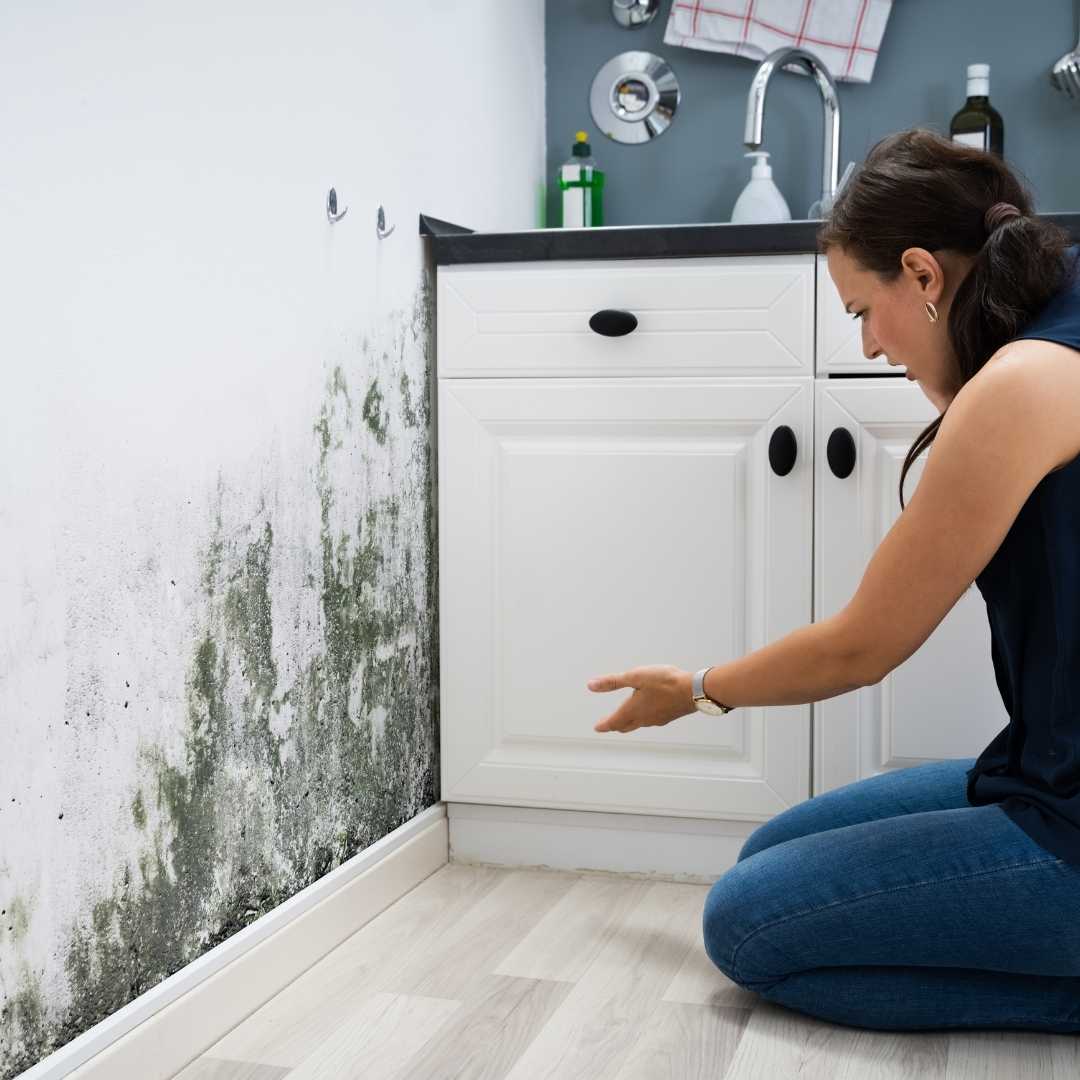
Discover the hidden health risks of prolonged mold exposure in humid climates like Florida, from respiratory issues to long-term effects. Stay informed and protect your well-being.
Living in North Florida comes with its share of humidity. Warm temperatures, frequent rain, and occasional tropical storms create perfect conditions for mold to grow quietly—often behind walls, in attics, crawl spaces, or under sinks. Many homeowners live with it for years without noticing until unexplained symptoms appear that don't quite fit a cold, allergies, or everyday stress. What starts as minor irritation can become far more persistent with ongoing exposure.
Mold is a living organism that spreads by releasing tiny spores—and sometimes mycotoxins—into the air. In humid environments, it finds ideal growing conditions:
Florida's subtropical climate makes this worse. Average relative humidity often stays in the 70s or higher, especially during summer. Afternoon thunderstorms, hurricanes, and heavy seasonal rains introduce moisture quickly. Even small leaks or poor drying after water intrusion can allow mold to take hold and spread before anyone realizes it's there.

Brief exposure to mold spores usually produces reactions similar to seasonal allergies or a mild cold. Common short-term effects include:
For people with asthma, these exposures can trigger more frequent attacks, chest tightness, or shortness of breath. Symptoms often improve noticeably when you're away from the home or building for a while—such as during travel or time spent outdoors. When the source stays present, however, repeated contact pushes the body into a different phase.
When mold exposure continues over weeks, months, or years, the immune system can become sensitized, leading to chronic inflammation. The effects deepen and broaden.
Respiratory problems usually worsen first:
Beyond the lungs, other systems are affected:
People often describe feeling "drained" or like their body is in a constant low-grade fight.
These symptoms are subtler but increasingly documented:
For individuals with weakened immune systems, prolonged exposure raises the risk of more serious fungal infections in the lungs or other organs.
.jpg)
In drier climates, moisture might evaporate quickly. Here, it lingers, giving mold the time it needs to colonize and release spores continuously.
Certain groups face higher vulnerability:
One major hurdle is how closely mold-related symptoms mimic other common issues:
Without connecting the dots to the home environment, people often chase temporary fixes instead of the root cause. A key clue: symptoms that reliably improve when away from the house for extended periods.
The encouraging part is that knowledge changes outcomes. Understanding these hidden risks encourages better habits—keeping indoor humidity lower, promoting airflow, and acting quickly on any sign of water damage. In a climate like North Florida's, managing moisture isn't just home maintenance; it's an important step toward protecting long-term health.
Mold often stays out of sight until health effects bring it into focus. By noticing patterns and linking them to your surroundings, you can move toward cleaner air and fewer mystery symptoms. In humid regions where mold finds every opportunity, awareness truly becomes the strongest defense.
Read our latest insights on mold removal and mold remediation in North Central Florida.


.jpg)