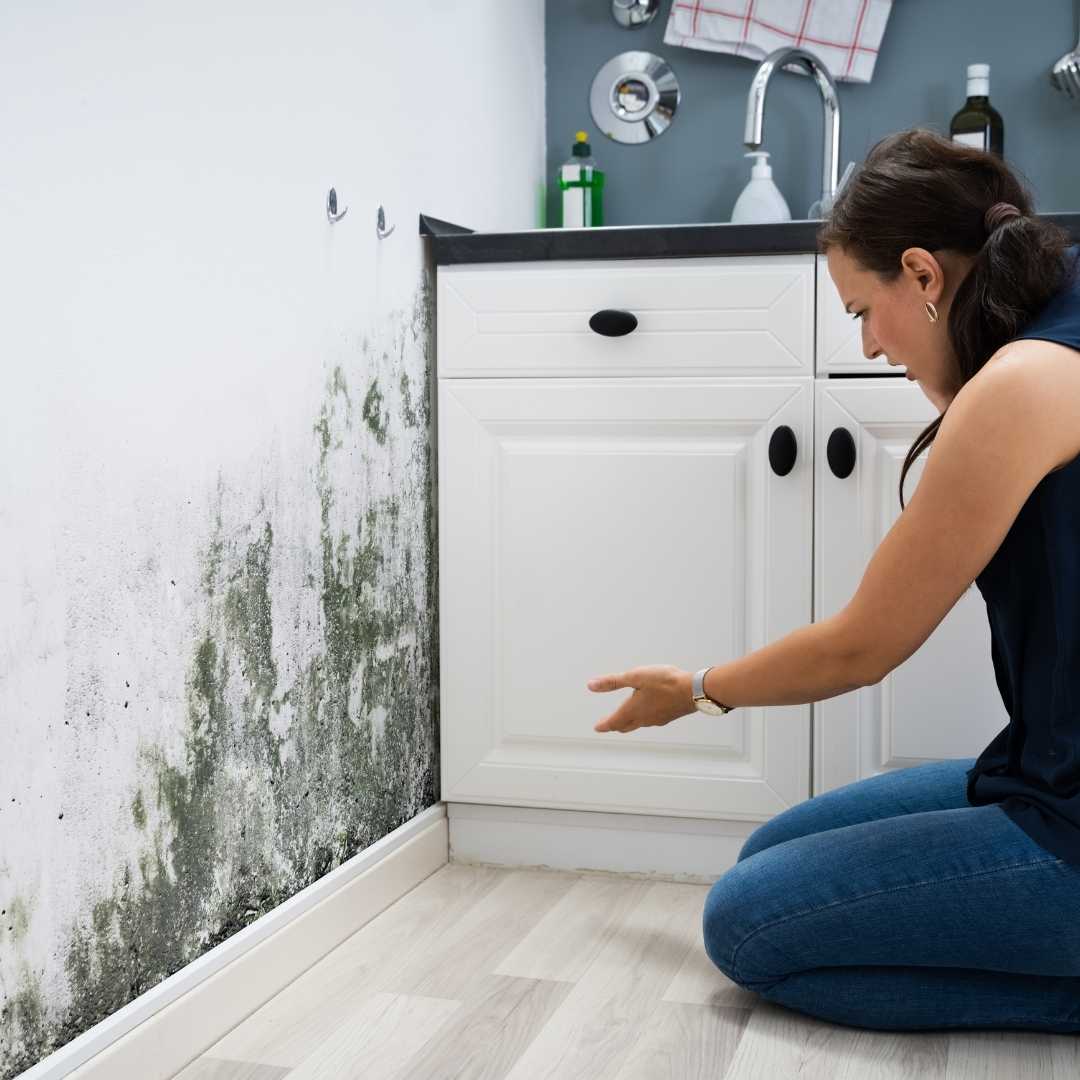
Water damage in your Gainesville home? Mold can start growing in as little as 24 hours. Learn the warning signs and what to do — North Florida Mold Remediators is available 24/7.
Mold after water damage in Gainesville, FL is one of the most urgent — and most underestimated — problems a homeowner can face. Whether the water came from a burst pipe, a flooded crawlspace, a roof leak after a storm, or a slow drip behind a bathroom wall, the result is the same: your home now has everything mold needs to grow. And in Gainesville's heat and humidity, it doesn't wait long.
At North Florida Mold Remediators, we respond to water damage mold calls throughout Gainesville and the surrounding areas every week. What we see again and again is homeowners who waited — assuming it would dry out, or that a little water couldn't cause that much damage. This guide breaks down exactly what happens inside your home after water intrusion, how to recognize the warning signs early, and when it's time to call in the professionals.
When homeowners think about water damage, they often picture a major flood or hurricane. But in Gainesville, mold after water damage is just as commonly triggered by everyday events:
Once moisture gets into building materials — drywall, insulation, subfloor, wood framing — mold spores that are naturally present in the air have everything they need to colonize. In Gainesville's climate, that process starts fast.
This is the question we hear most often, and the answer surprises most people: mold can begin growing within 24 to 48 hours of a moisture event.
Here's a general timeline:
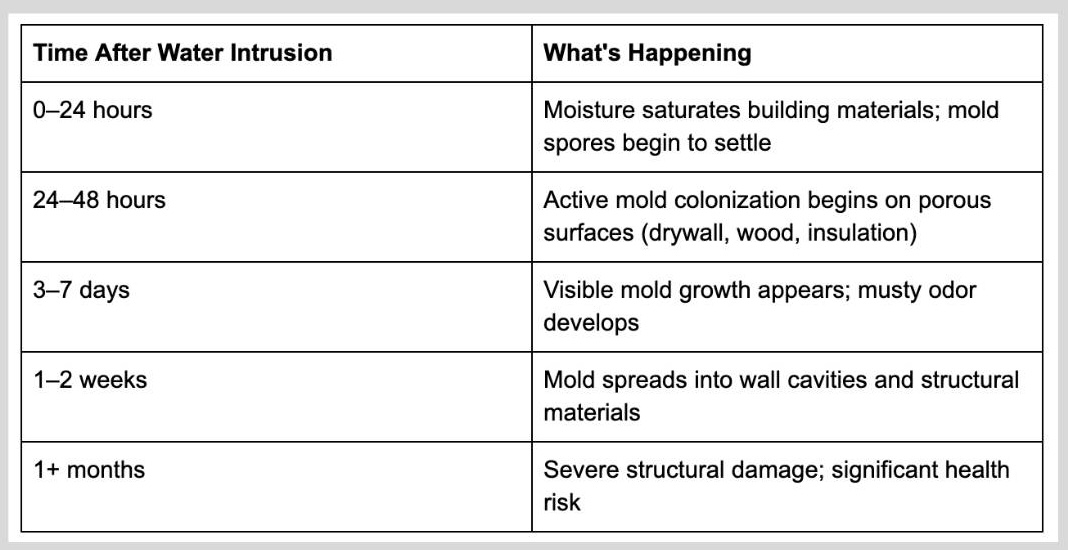
The takeaway: waiting to see if it dries out on its own is one of the most costly mistakes a homeowner can make. By the time you can smell it or see it, mold has already been growing for days.
After any water intrusion event — a leak, a flood, an appliance failure — walk through your home and look for these indicators:
.jpg)
These two terms get used interchangeably, but they're not quite the same thing — and the distinction matters when you're hiring someone to protect your home.
Mold removal refers to the physical act of cleaning or removing mold from a surface. It's often a surface-level fix that doesn't address the underlying moisture source or the contamination inside wall cavities and building materials.
Mold remediation is a comprehensive process that includes:
When you call North Florida Mold Remediators for mold remediation in Gainesville, FL, you're getting the full process — not just someone with a bottle of bleach. Bleach does not penetrate porous materials, and it does not kill mold roots. Professional remediation does.
If your home has experienced any kind of water intrusion, here's what to do right now:
This is one of the most common questions we get from Gainesville homeowners, and the answer depends on your specific policy and what caused the water damage in the first place.
Generally speaking:
The key is acting fast. The longer you wait, the more likely an insurer is to argue the damage resulted from negligence rather than a sudden event.
Document the water damage immediately, contact your insurance provider, and get a professional assessment on record. We work with Gainesville homeowners throughout the insurance claim process and can provide the documentation your adjuster needs.
We're a locally owned and operated mold remediation company serving Gainesville, Ocala, and all of North Central Florida. When you call us, you're not talking to a national call center — you're talking to a team that knows Florida homes, Florida weather, and what it takes to do this job right.
Here's what sets us apart:
Whether you're dealing with a small bathroom mold issue or significant post-storm water damage, we're ready to help.
If your home has experienced water damage — from a leak, a flood, a storm, or anything in between — don't wait to see if mold develops. By the time it's visible, it's already been growing for days. Early intervention is always less expensive and less disruptive than full-scale remediation after the fact.
Call us at 855-532-MOLD (6653) or email us at admin@nflmold.com to schedule your inspection. We serve Gainesville, Ocala, and all of North Central Florida — 24/7.
North Florida Mold Remediators — Who the Experts Trust | Ocala & Gainesville, FL

Read our latest insights on mold removal and mold remediation in North Central Florida.